Last night I decided to use my lemonvitality oil to make lemonade. I didn’t have my glasses on and I identified the oil by the color of the label. I picked up my bottle of fennel vitality oil and dropped 3 drops in about 8 oz of water. I sweetened it with raw agave and poured it over ice. It was not lemonade. I enjoyed fennelaide. It was awesome. That was a tastyaccident.
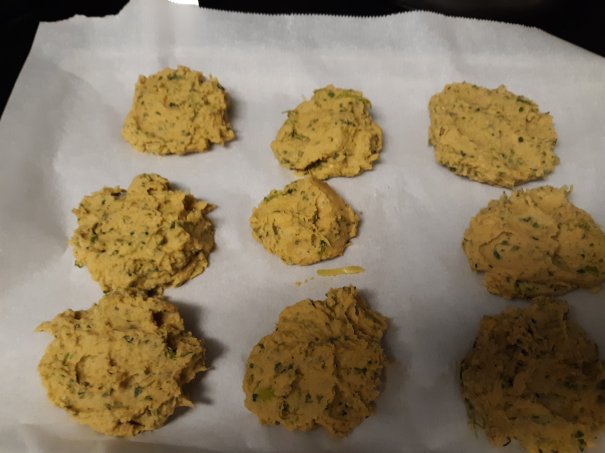
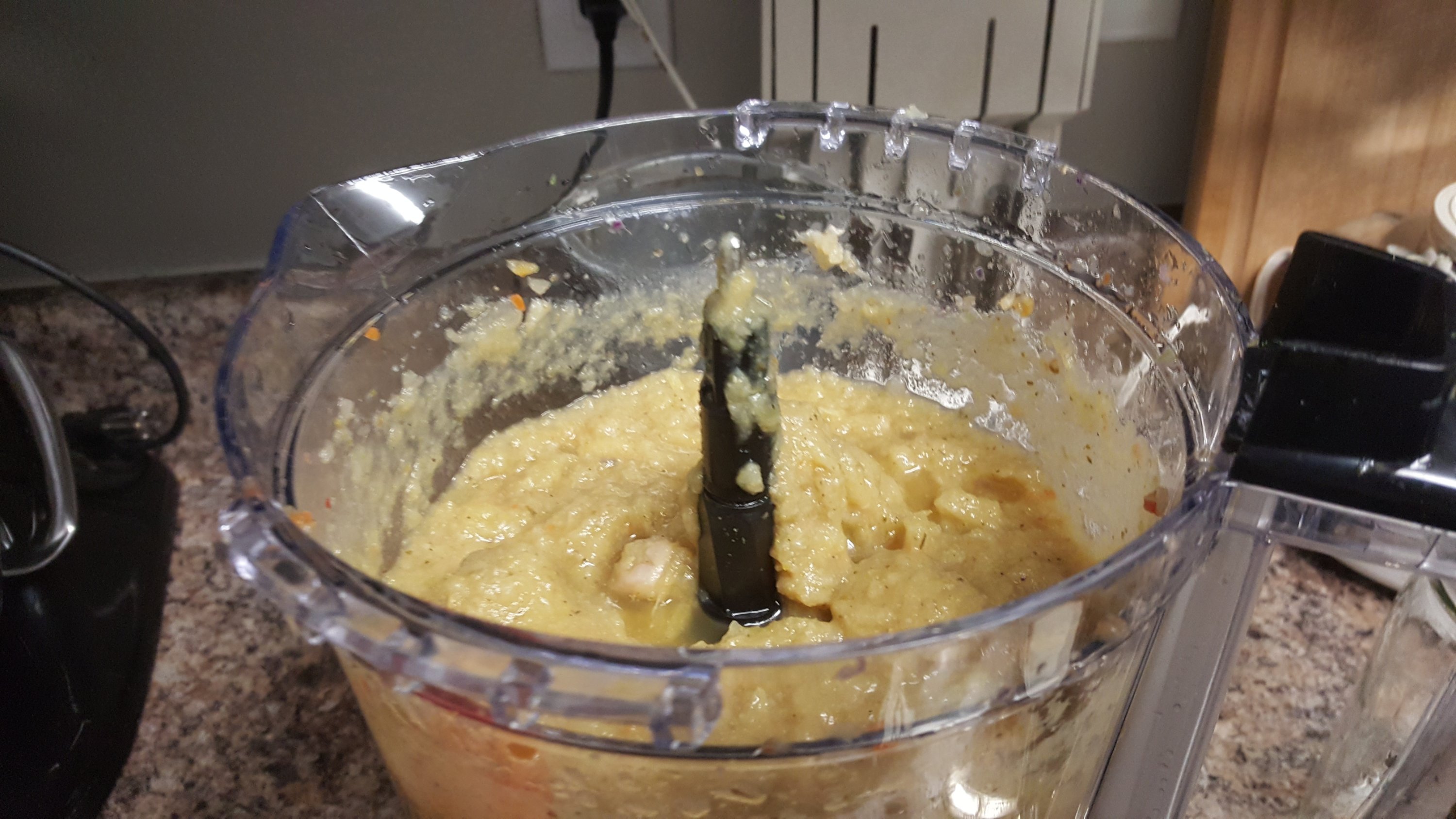
It was my night for mistakes. I set out to make falafel burgers. I did everything the recipe told me to do. I thought. I was supposed to leave the chickpeas chunky. Instead I processed the mixture until it was smooth. It was a flavorful hummus. I was not to be denied. I spoon dropped the mixture on a cookie sheet and baked them. We enjoyed falafelbiscuits for dinner.
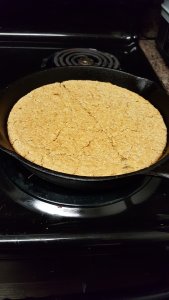
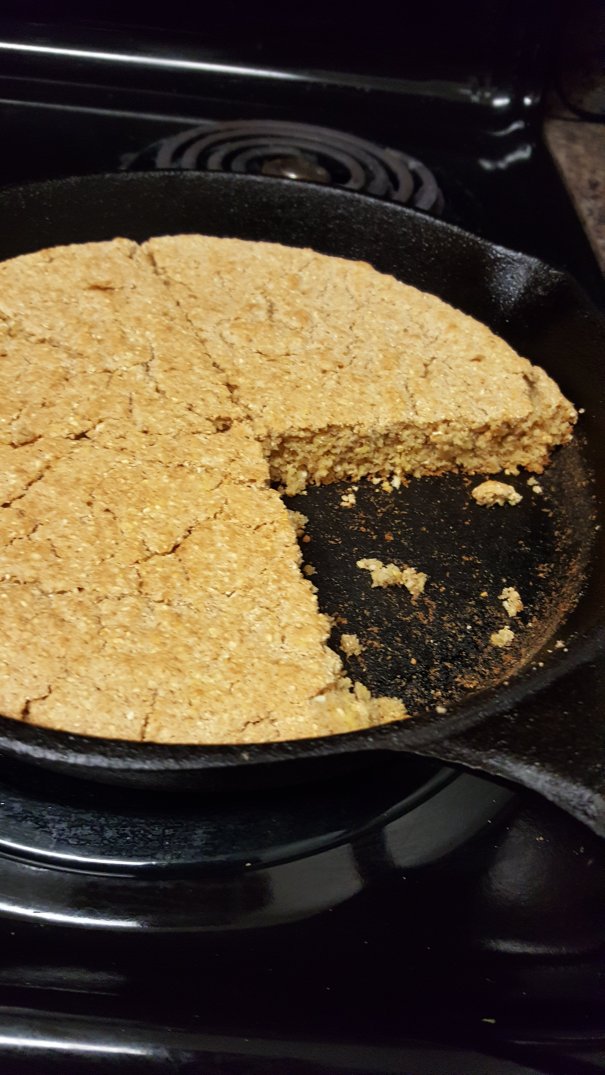
I have tried other people’s recipes. I have experimented with my own. Today I accomplished my goal. I just threw ingredients in a bowl. Stirred them and put them in a cast iron skillet. What is it you ask?
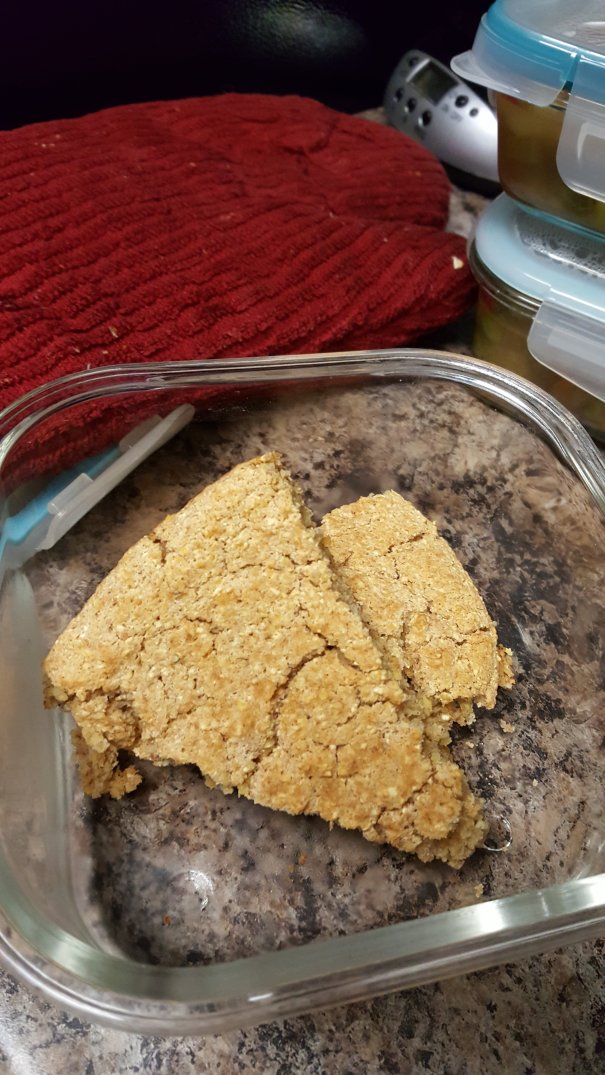
Oil-free, vegan, gluten free Cornbread
It tasted good. It did not break-up or crumble.
What’s that? Oh, ingredients.
Gluten-free oat flour 1 cup
Organic cornmeal. 1 cup
Pureed banana. 1
Cashew milk. 8 oz
Aluminum free Baking powder 2.5 Tbls
Puree banana in milk
Bake 375° F for 20-25 minutes
It was great with vegetable soup. I guess the best happens when you are not trying too hard.
Recently I had a craving for good Chinese Lo Mien. I found a restaurant that does not use MSG. I tried it. It seemed very oily to me. Disappointed. I decided to give them a second try after discussing the oil quantity with the restaurant. They explained how they prepared the lo me in and that much of what I thought was oil was a combination of a small amount of oil and Hoisin sauce.
I am now on a quest to adapt good Asian recipes to our dietary requirements. I am beginning with Thai and Chinese. The resulting dish must be vegan, gluten-free, and oil-free. I welcome all your authenic tried and true suggestions or recipes.
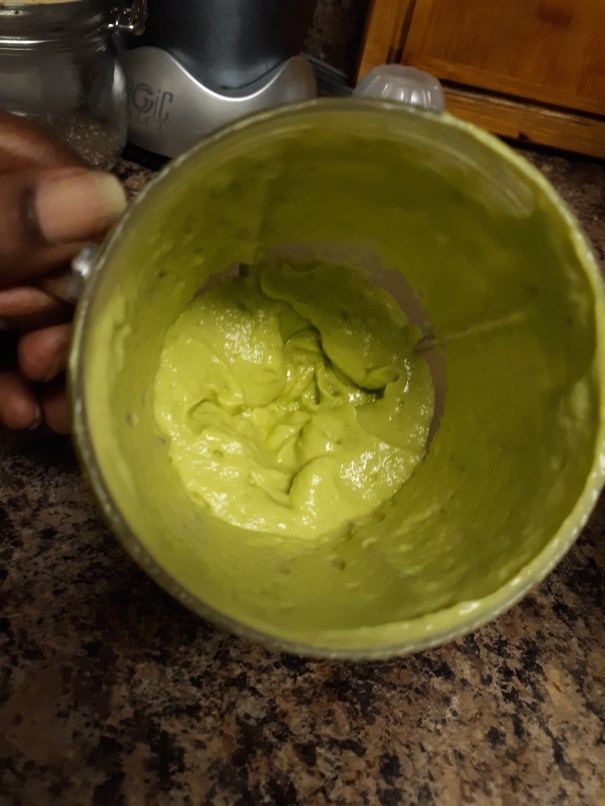
The struggle continues to find substitutes for oil that works in my food. I finally succeeded with my waffles. I have tried pureed applesauce with no success. Tried a blend of pureed applesauce and avocado. That was better but not quite right. Saturday I decided to try just pureed avocado. Success! I added this to my vegan, gluten-free mixture and found success.
Now I will try this with my cornbread. Southern upbringing requires good cornbread. Anyone out there with a good cornbread recipe? Biscuits? Not sure I’m ready for green biscuits.
I am so excited. I have been trying for a while to create my own veggie burger raw and cooked. I have used other people’s recipes. Some were good and others not so much or at least not to my liking. What are my motivations for making my own. I could just buy them. Right? Motivation 1. Mastering my refrig
I also wanted to confidently create my own with whatever I had in the kitchen. That’s what so many said they did in their experiments so why can’t I? Motivation 2 Cost
Buying them can be a budget buster. They are expensive. Here in Texas they are approximately $4.50 and up for 4 patties and they may or may not be vegan. Motivation 3 Satisfying The Cardiologist
This is the hardest. Carl’s doctor has so many requirements. First it was raw so the body could heal itself. Then it was you can add in cooked but must be vegan,gluten-free, oil-free and clean as possible. Vegan was easy. We had already eliminated dairy and most flesh. Gluten-free required learning how to use different grains and seeds and the flours made with them to make waffles, bread etc. Keep in mind the raw, clean and oil-free parameters. Oil-free is easy to understand but no so eary to accomplish. You don’t want dry burgers, or dry anything. Still working on that one. Then what’s clean.
Clean eating is a deceptively simple concept. … At its simplest, clean eating is about eating whole foods, or “real” foods — those that are un- or minimally processed, refined, and handled, making them as close to their natural form as possible. fitnessmagazine
Minimally processed is the kicker. How can you know if it is minimally processed unless you make it yourself?
I finally found a recipe from The Spruce Eats that was very close to the #Dr. Praeger patties that I buy and fit within the parameters set by the Doctor. So with a little modification here is my offering.
Recipe
1 2/3 cup beans (this was a mix of kidney, lentils and leftover black)
1 cup cooked quinoa
1/2 c chopped on onion
1/2 c chopped yellow bell pepper
1/2 medium fresh jalapeño
1/2 medium avocado
1 Tbls brown rice flour
1 tsp chia seeds in 2 Tbls of water
3 Tbls of liquid aminos or to taste
Pinch of cayenne
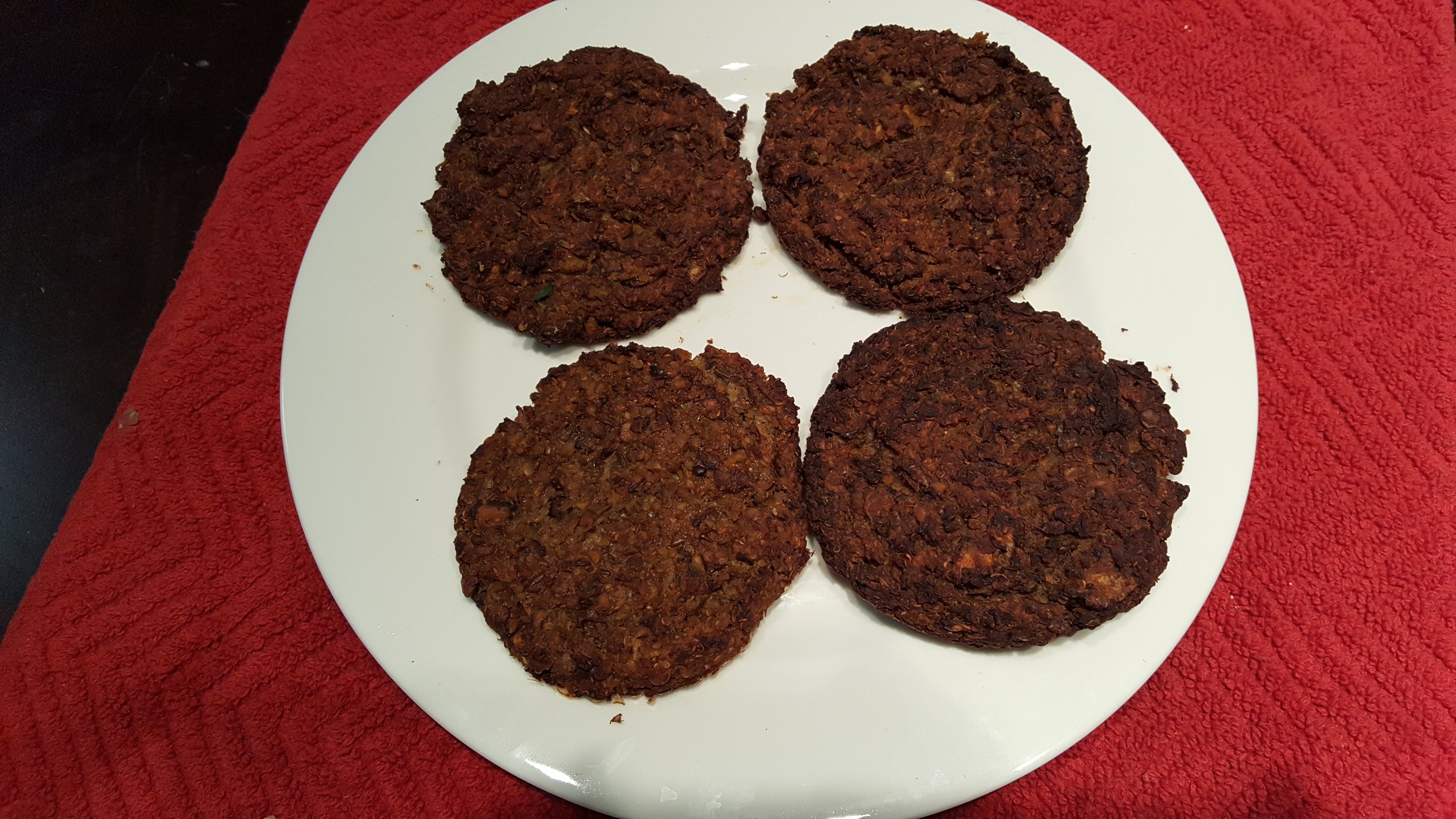
Mix all ingredients in a food processor until well blend. Form patties and bake at 375° F for 45 minutes or desired firmness.
The brown rice flour made them a little crusty on the outside but were moist on the inside. I will try next time with oats instead of quinoa.
7 burgers that were 4″ in diameter and 1/4″ thick
The flavor was great and now that I’ve made them it will be a quick process next time.
I would love to read your comments and don’t for get to follow me at Pat’s Random Thoughts
It’s been a little over a year since we began this raw vegan/vegan lifestyle change. I have learned how to prepare meals which is a real accomplishment; I never liked to cook. I am still learning because my husband’s cardiologist wants as much gluten-free, oil-free, clean food as possible. This is no easy task. Eating out is hard and cooking requires learning how to make good food with these substitutes. The journey has begun again.
I discovered one other thing, your mind is still the main battlefield. Occasionally my mind still test me when I am tired. Catfish and fried chicken, Chinese and authentic Mexican screams at me. The struggling vegan pops up and shouts substitute. That is my present objective; substitutes and the changing of my mind, again.
“…..but Be transformed by the renewing of your mind….” Romans 12:2
This is the key to all lifestyle changes. It all begins with how you think. When you determine to make the change and settle it in your mind the rest is easy.
Anyone that has purchased organic and non-GMO produce knows it is expensive by comparison to conventionally farmed produce. So why do I do it and how can I make it more economically beneficial? For me, I figured I could pay at the grocery store or I could pay at the doctor’s office. The toxins in the pesticides that are used in conventional farming build up in our systems and eventually affect our kidneys and liver, killing us slowly. So those vegetables you were eating to become healthier might possibly be the cause of your illness. Unfortunately you can’t wash away the pesticide that has been absorbed into the meat of the vegetables or the fruit.
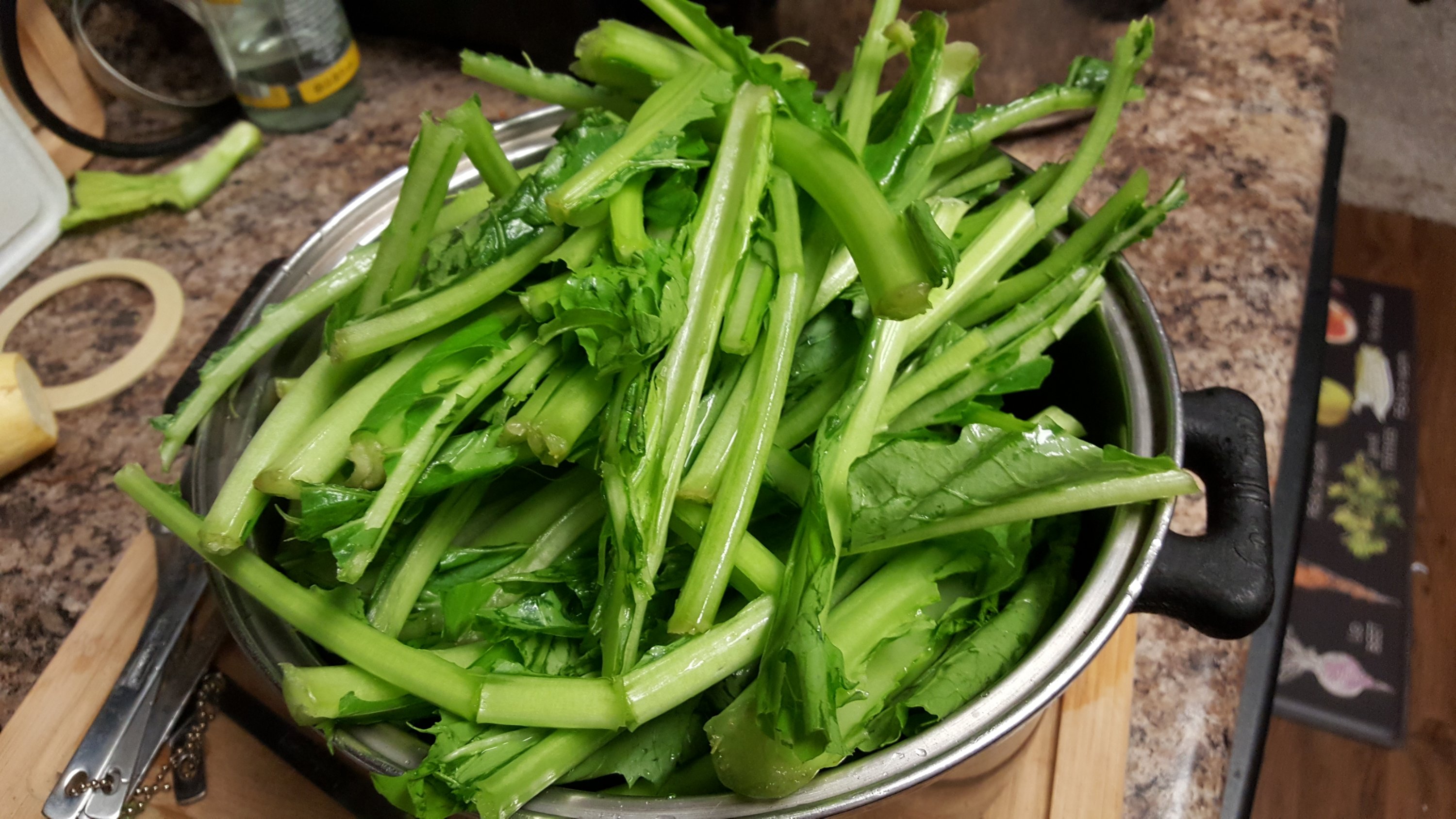
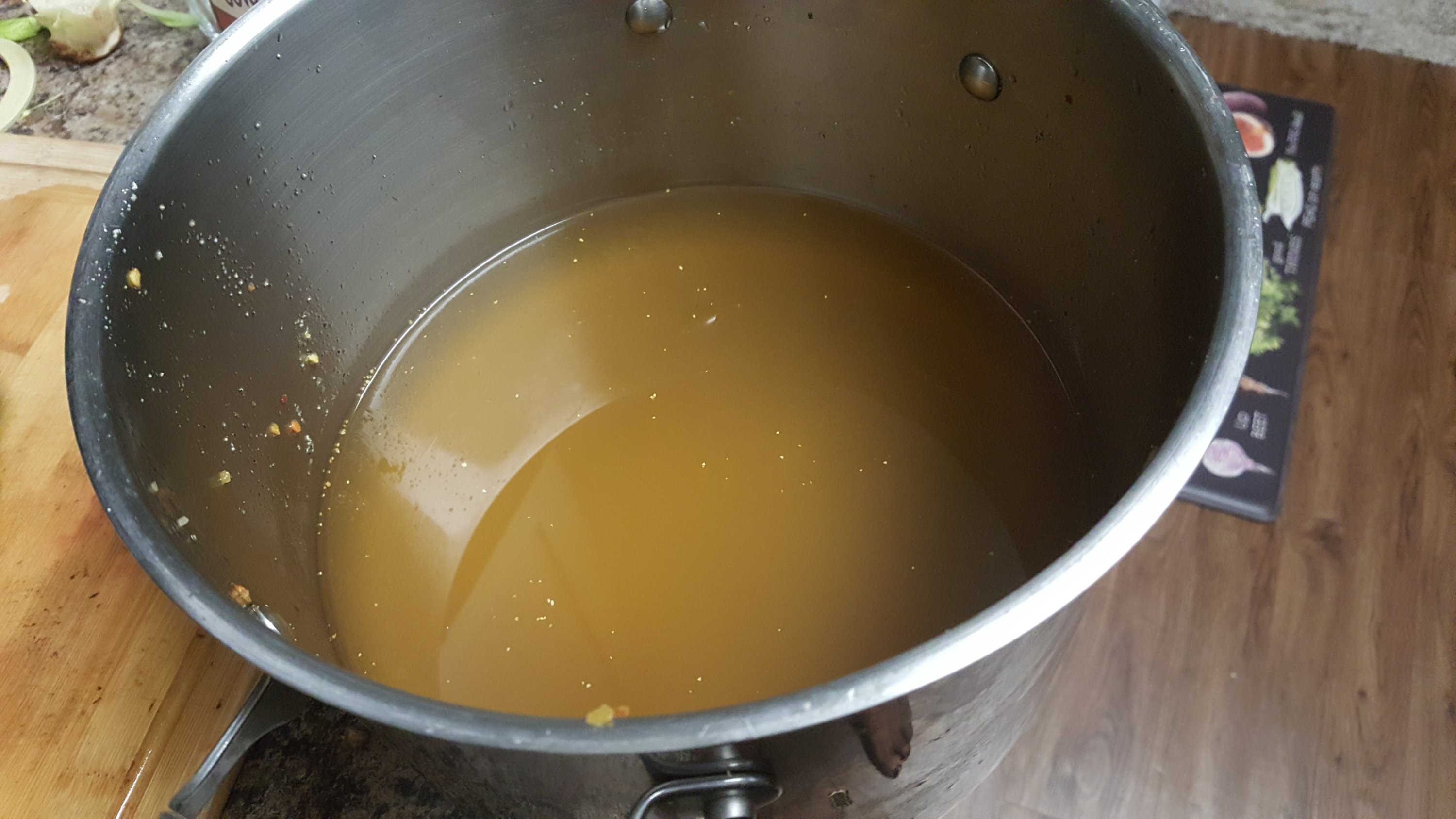
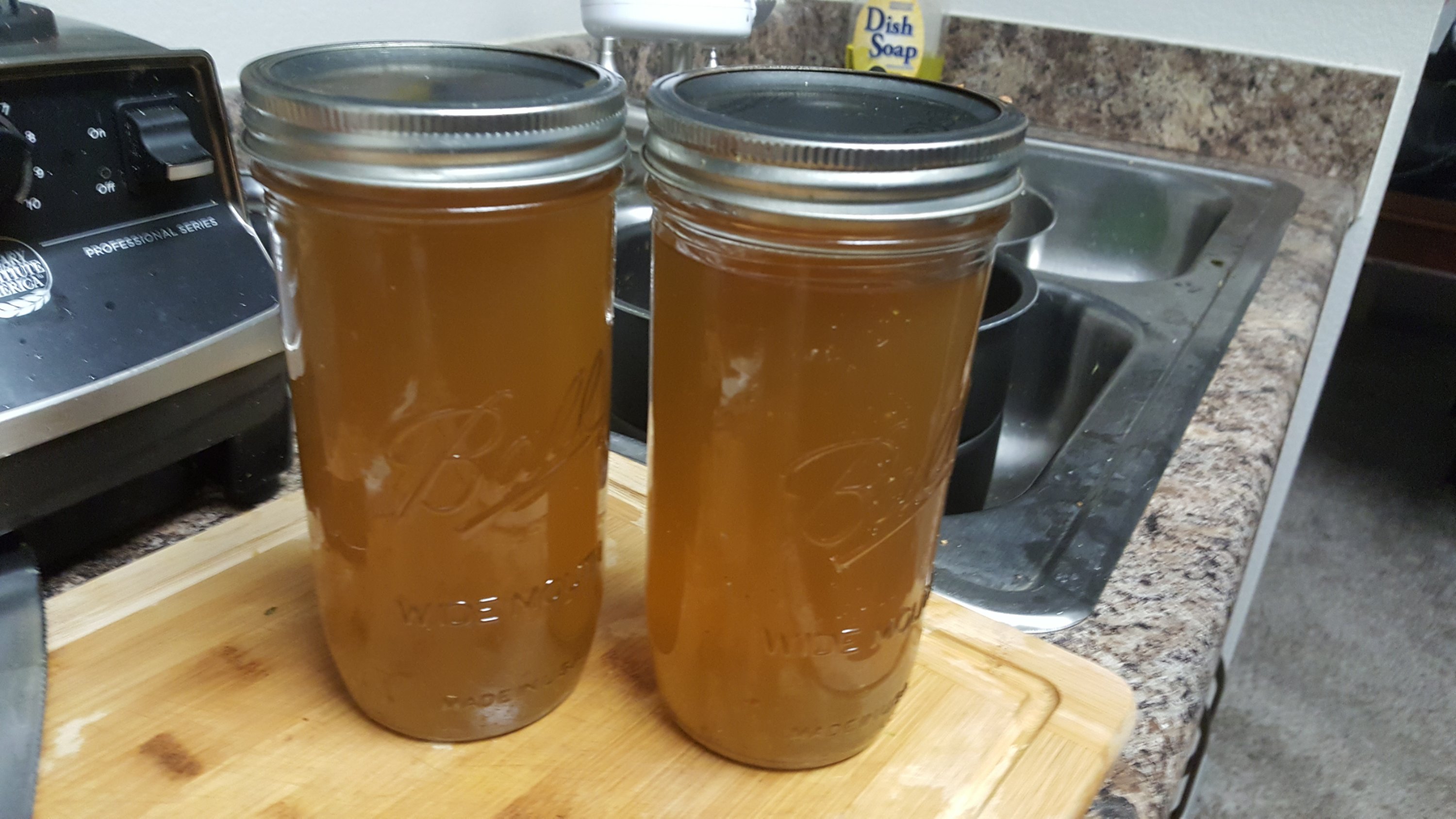
So I had to get my money’s worth. I was lying in bed thinking about the root system in plants. (That’s another post). It occurred to me that the stems of greens that we throw away contain nutrients. Rather than throw them away I put them in a pot along with other almost expired veggies. Add to that some seasonings and you have the making of your own vegetable broth.
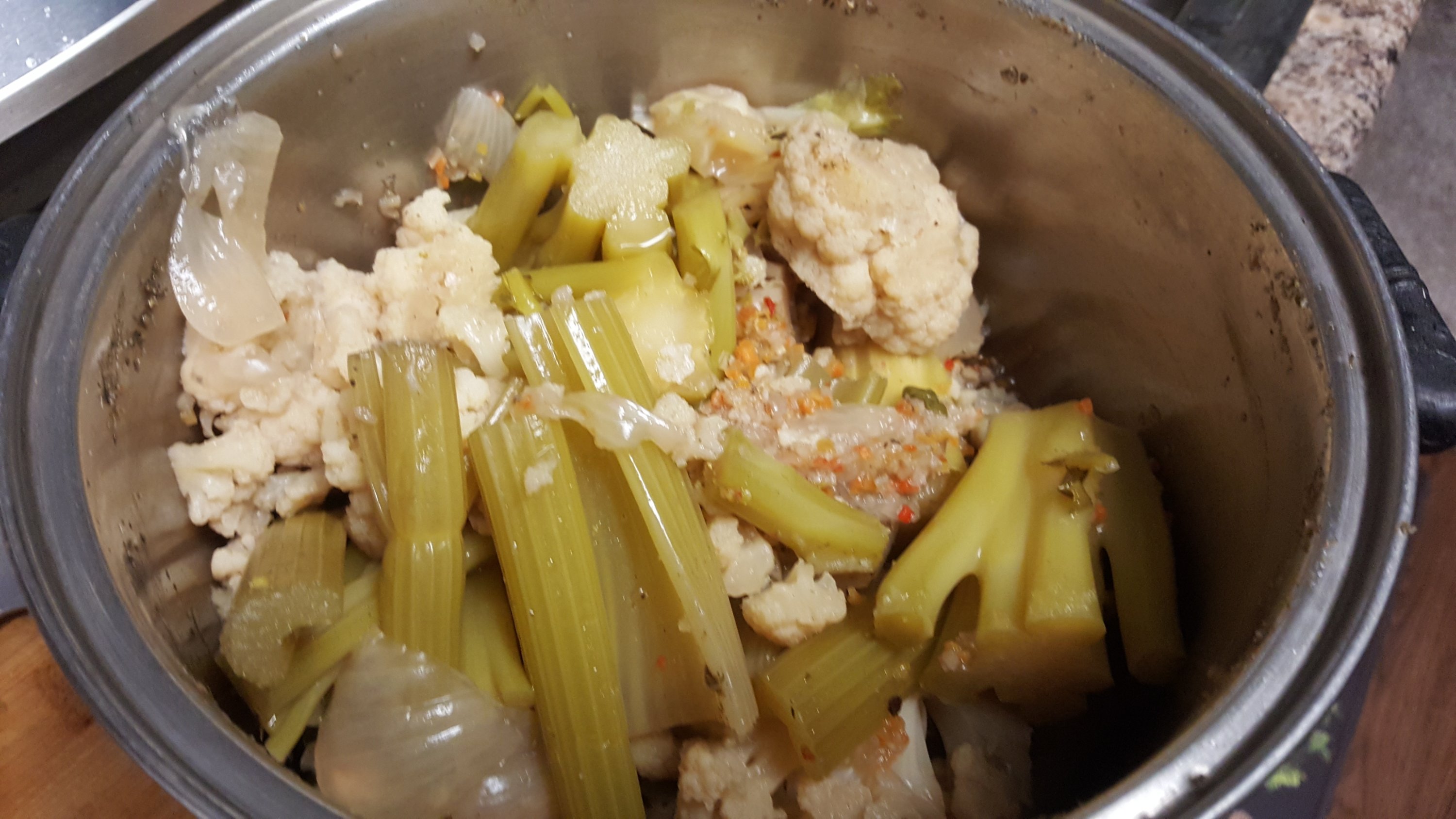
Then I thought what to do with veggies after the broth was strained. I poured the cooked veggies into the food processor and chopped them all together. It looked interesting.
I wondered if it would add creaminess to a homemade salad dressing blend. Or maybe, it could be used as flavor additive and binder to my veggie burger recipes. It remains to be seen, but the goal is to USE IT ALL.
This post was originally written in April at the beginning of my cooking raw journey. Each successive post will bring you closer to my present August experience.
I decided to go all in to this raw eating thing so I bought an inexpensive dehydrator and a raw food cookbook or should I say recipe book. As my very smart husband pointed out, others had tried and tested techniques and flavor combinations, why not take advantage of that. So I did. I was glad to know there were choices beyond salads.
In the following raw eating post I will share my experiences preparing the recipes in Rawmazing authored by Susan Powers. I will note any changes to her recipes to accommodate our taste just in case you decide to buy her book. Her directions are easy to follow and the pictures are vibrant. For the raw purest you will need to find substitutions for the oil. I used tahini and cashew butter(cream). Also, I used Dr. Montgomery’s book The Food Prescription Nutrition Guide
I had not used a dehydrator before and I didn’t know what to expect so I went for something simple. The first thing I tried were Ms. Post’sKale Chips. It seemed simple enough. She has 3 versions. I chose version 2. The ingredients are garlic, thyme and oil. For the oil I substituted tahini. Mix those ingredients and set it aside. Cut the thick stems from the kale and tear the leaves into chip size pieces. Make sure all excess water is removed from the kale. Then dress the kale with the garlic mix . Put the pieces on the dehydrator trays. Don’t overlap. The suggested time dehydration time was 4-6 hours at 115 degrees. Because of the Houston humidity, it took 8 hours to crisp. My taste tester, hubby, was quite pleased. He wanted to eat them like potato chips.
If you don’t have a dehydrator pop them into your oven on a low heat, 120 degrees if possible. If you put it on a temperature higher than 170 degrees and some say 200 degrees, you will destroy all of the health benefits from eating raw; you will kill the enzymes.
I am so sorry that I don’t have a picture. I lost it somehow.
Kale Chips – Rawmazing p. 41
Dressing
3 Tbls olive oil (I substituted tahini.)
1 cloves garlic
1 tsp of dry thyme
Turn on the food processor or high powered blender. Drop the garlic, thyme and oil into it.
Place on dehydrator sheets and dehydrate 4-6 hours. More longer if you are in a humid area.
To those who know I am not eating meat, I wrote this some time back and never published it. Hope my meateating friends will enjoy it.
I love New Orleans inspired gumbo but I don’t eat pork and I am allergic to shrimp. I decided to make a seafood gumbo but I really wanted the sausage flavor. I thought what better to do than to try my hand at making andouille sausage with ground turkey.
I added these spices, compliments of allrecipes.com and the foodnetwork.com:Emerill Lagasse, to the ground turkey.
1/4 cup minced garlic
2 tablespoons salt
1 teaspoon freshly ground black pepper
1 teaspoon cayenne pepper
1/4 teaspoon dried thyme
1 tablespoon ground paprika
1/4 teaspoon crushed bay leaf
1/4 teaspoon dried sage
5 teaspoons hickory-flavored liquid smoke
1/2 teaspoon ground cumin
3/4 teaspoon chili powder
3/4 teaspoon red pepper flakes
Finding the seasonings to begin was simple process but turkey is not as fat as pork. What to do about that? My first thought was to add olive oil or coconut oil. Then a light bulb flickered. Bake some turkey thighs and use the dripping from that. The added bonus is meat prepared for another meal.


 "Black Soil" Living